
[ad_1]
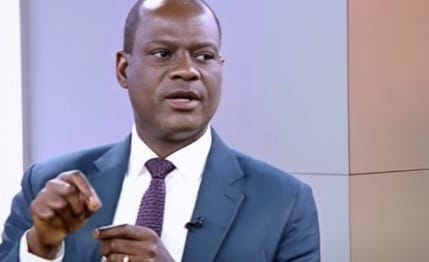
The Minister of Finance and Coordinating Minister of the Economy, Taiwo Oyedele, has maintained that the federal government will not restore petrol subsidies or return to a multiple exchange rate system, noting that international investors no longer take the opposition seriously.
Oyedele spoke over the weekend at a press briefing on the sidelines of the 2026 International Monetary Fund (IMF) and World Bank annual meetings in Bangkok, Thailand.
The minister responded to questions about how the government hopes to balance the needs of the investment community with domestic concerns among citizens.
“The second point I want to make, and hopefully this will not be misinterpreted, is that, in having all those meetings (with global development and financial organisations, investors and market leaders), I concluded that the markets, including the domestic market—because that you can read from the capital markets—and the international markets, have largely, largely written off the opposition in Nigeria as being unserious,” Oyedele said.
The minister also said the government had no plans to reverse the economic reforms introduced under President Bola Tinubu, adding that the position had been made clear during engagements with investors, credit rating agencies and multilateral institutions.
“Let me be clear, there will be no return to fuel subsidies or multiple exchange rates,” the minister said.
“The recent 30-day retail margin discount is a time-bound commercial decision by the NNPC to reduce margins and support Nigerians. It is not a subsidy paid from public funds.”
Oyedele argued that reversing the reforms would undermine the progress made in stabilising the economy and could weaken investor confidence, adding that the government was exploring measures to ease the effects of higher energy costs without reinstating a blanket subsidy.
Oyedele said Nigeria is targeting seven percent economic growth, arguing that projections by the IMF have been too conservative.
The IMF had projected Nigeria’s economic growth at 4.2 percent in 2026 and 4.3 percent in 2027.
However, the finance minister said Nigeria had the potential to grow faster than current forecasts suggest, provided the government sustains its economic reforms and tackles constraints affecting businesses and households.
“We have a target of seven percent growth,” he said.
Oyedele said bringing inflation down, reducing financing costs and addressing pressures from food, energy and logistics would be critical to achieving stronger growth.
He said Nigeria’s economic strategy was aimed at creating a more stable environment for investment and expanding productive activity.
The minister also pointed to improvements in key economic indicators, including easing inflation and stronger external reserves, as signs of progress under the ongoing reforms.
However, he said the country needed to maintain the reform momentum and translate macroeconomic improvements into stronger economic activity and better living standards.
The minister also called for policies that would ensure the benefits of AI are shared fairly, including arrangements that allow African countries to use their data and technological capabilities to develop domestic expertise.
Oyedele also said the success of multilateral development institutions should be judged not only by the financing they provide or the growth they support, but also by the jobs their interventions create.
Also speaking, Governor of the Central Bank of Nigeria (CBN), Olayemi Cardoso, urged the Federal Government to sustain economic reforms to consolidate stability and boost investor confidence.
He stated that Nigeria’s economic recovery had attracted international attention, with global policymakers acknowledging the country’s efforts to restore stability.
The CBN governor said that declining inflation and improved foreign exchange stability reflected progress made through monetary policy adjustments.
He urged policymakers to maintain the reform momentum, warning that abandoning difficult policies could reverse the gains achieved.
“We have shown that it can be done and that stability has finally returned,” he said.
Cardoso said that the premium between the official and parallel foreign exchange market rates had declined from about 60 per cent to between three per cent and four per cent.
He said improved stability had reduced exchange rate risks and created opportunities for long-term Naira-denominated investments.
According to him, development finance institutions should take greater responsibility for channelling resources into productive sectors, while the CBN focuses on price and macroeconomic stability.
UPDATE NEWS:
Nigerians can now invest ₦2.5 million on premium domains and profit about ₦17-₦25 million. All earnings paid in US Dollars. Rather than wonder,
click here to find out how it works.
[ad_2]
Source link