
[ad_1]
–>

Click Here To Listen To Trust Radio Live
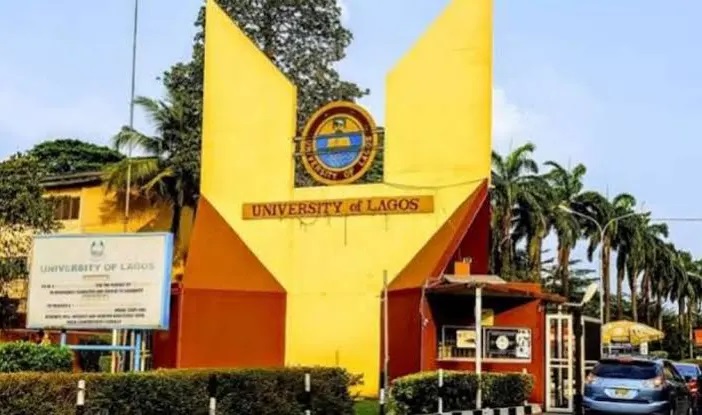
The University of Lagos (UNILAG) has been urged to develop a floating solar farm at the University of Lagos (UNILAG) as an innovative solution to the institution’s electricity needs, given limited land for conventional solar installations.
The Chief Executive Officer of Degeconek Nigeria Limited, Abiodun Adesanya, proposed this development while delivering a keynote address on the future of energy at the 19th UNILAG Annual Research Conference and Fair, themed: “Sustainable Frontiers: Integrating Systems for Food Security, Health, Housing and Humanity for Combating Global Challenges.”
He said the university could explore its waterfront for floating solar panels, offering a potential alternative to ground-mounted solar farms in an environment where much of the available land has already been developed.
According to him, Nigeria must develop practical, locally tailored energy solutions to address persistent electricity challenges, while taking advantage of renewable energy sources and available natural resources.
“The idea of a solar farm, the more the number of solar panels, the more electricity you generate. So where would you install the solar panels? They’ve been installed on rooftops, but you can have a vast open space of land if you have land,” he said.
Earlier, the institution’s Vice-Chancellor, Prof. Folasade Ogunsola represented by the deputy vice-chancellor (Management Services) Prof. Muyiwa Falaiye said this year is apt and pivotal to socio-economic development, saying it captures complex and interconnected challenges confronting societies and highlights the urgent need for more interdisciplinary and sustainable approaches to addressing them.
“Universities play a pivotal role in generating knowledge, fostering innovation, and providing evidence-based solutions to contemporary global issues. Look around the world today, and you will see that the crises defining our era do not respect disciplinary boundaries. Climate volatility, geopolitical instability, public health vulnerabilities and economic displacement bleed into one another,” she said.

[ad_2]
Source link

Ruth Oyiza Zaccheaus is a news blogger, content creator, and microbiology researcher with a deep passion for keeping society informed through timely, well-researched, and verifiable reporting. She covers politics, public affairs, and health, with a strong commitment to accuracy, clarity, and responsible publishing. Drawing from her scientific background, Ruth brings an evidence-based and analytical approach to her work, helping readers understand complex developments and make informed decisions. She is dedicated to bridging the gap between important information and the public, believing that informed readers are empowered readers. Ruth is currently pursuing an M.Sc. degree at a prestigious Nigerian university.
Related stories

Business & Finance
Union Bank and Partners Recognise Outstanding Educators – THISDAYLIVE

Business & Finance
USPF opens applications for N10 million nationwide tech innovation challenge

Business & Finance