
Noma has remained one of the most devastating diseases affecting children living in conditions of extreme poverty, malnutrition and limited access to healthcare. Yet, the disease is largely preventable and can be stopped when detected and treated early.
The challenge, however, is that many cases are not identified at the stage when intervention could prevent the rapid destruction of the tissues of the face.
This is where the gap in Nigeria’s primary healthcare system becomes critical.
Experts said that the country cannot effectively prevent and control noma by relying largely on tertiary hospitals and specialist care. Rather, oral healthcare must be taken closer to communities, with appropriately trained dental auxiliaries positioned at the grassroots to identify early signs of oral disease, provide basic preventive care and ensure timely referral.
The chief executive officer of the Cleft and Facial Deformity Foundation and president of the Noma Practitioners Association of Nigeria, Dr Seidu Bello, said the solution lies in integrating oral healthcare into primary healthcare and establishing functional community dental clinics at the local government level.
Bello made the call at the 6th International Association for Dental Research Conference in Abuja, where he advocated the employment of dental auxiliaries at the local government level to run community dental clinics.
His said that the country does not need a specialist dentist in every community before it can begin to tackle the problem, stressing that trained dental therapists, dental surgery assistants, dental nurses and other appropriate oral health personnel can provide the first line of defence by identifying oral conditions early, educating communities, providing preventive services and referring complicated cases to higher levels of care.
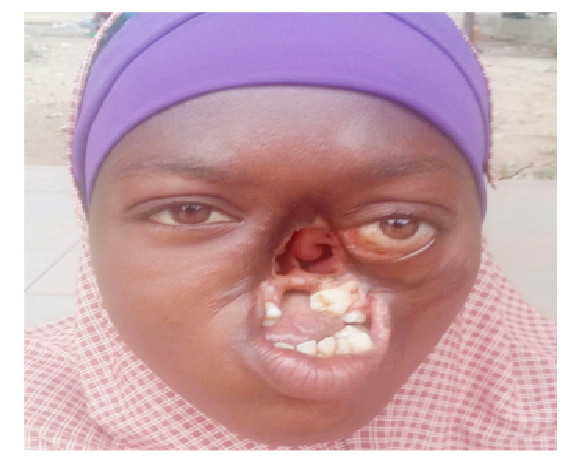
Noma, also known as cancrum oris, is a severe, rapidly progressive disease that destroys the tissues of the mouth and face. It predominantly affects young children living with extreme poverty, malnutrition, poor oral hygiene, inadequate sanitation and limited access to healthcare.
The disease can progress rapidly, turning what may begin as an oral infection into extensive facial tissue destruction.
Bello described noma as more than a surgical problem, arguing that it is a public health problem that must be addressed from the community and primary healthcare levels.
Historically described as the “face of poverty”, noma thrives where several vulnerabilities come together; malnutrition, infection, poor hygiene, inadequate sanitation and delayed access to healthcare.
Its consequences extend beyond physical disfigurement as survivors sometimes experience severe facial deformity, difficulty eating, speaking or breathing, trismus, psychological trauma and social stigma.
For children who survive the acute stage, the damage can continue to affect their lives long after the disease itself has been treated.
Yet many of these devastating outcomes can be prevented if the disease is recognised early.
The missing link in primary healthcare
Nigeria’s primary healthcare system is designed to provide basic healthcare services close to where people live. However, oral health has historically received limited attention within the PHC structure.
Discussions around primary healthcare often focus on maternal and child health, immunisation, malaria, tuberculosis, HIV and nutrition, while oral health receives considerably less attention.
Noma is even less likely to feature in routine community health discussions.
Bello said this must change. “There is no complete health without oral health,” is the message underpinning his call for the integration of oral healthcare into PHC.
Such integration, he said, should cover not only noma but dental caries, periodontal diseases, oral infections, oral cancer, orofacial trauma, cleft lip and palate and other oral and facial conditions.
Why dental auxiliaries matter
The shortage of specialists is often presented as one of the challenges confronting healthcare delivery in the country. However, Bello’s proposal points to a different approach; using the health workforce according to the level of care required.
He said community dental clinics do not have to be staffed by maxillofacial surgeons. Instead, dental therapists, dental surgery assistants, dental nurses and other trained personnel can provide basic oral health services and serve as the first point of identification for serious conditions.
Their responsibilities, he said, could include oral health education, preventive services, identification of suspicious lesions, recognition of early noma, basic treatment within their scope of practice, referral and follow-up.
Policy problem
While the need for grassroots oral healthcare may appear straightforward, Bello identified a policy and workforce barrier that could undermine implementation.
He said the 2006 Local Government Scheme of Service does not adequately provide for the employment of dental therapists, dental surgery assistants, dental nurses and dental technologists at the local government level.
This, he said, creates a structural problem for efforts to integrate oral healthcare into primary healthcare.
If the country wants community dental clinics, there must be a workforce framework that allows local governments to employ the personnel required to operate them.
It therefore raises a fundamental policy question: how can oral healthcare be integrated into primary healthcare if the health workers needed to provide those services do not have a clear place within the local government workforce structure?
Bello said reviewing the scheme of service is therefore part of the solution.
The policy framework, he said, must evolve alongside the country’s healthcare needs.
Noma should no longer be a disease discovered only after the face has been destroyed. The health system must find it in the community, treat it early, prevent its progression and save both the face and the life of the child.
We’ve got the edge. Get real-time reports, breaking scoops, and exclusive angles delivered straight to your phone. Don’t settle for stale news. Join LEADERSHIP NEWS on WhatsApp for 24/7 updates →