
Women and stakeholders have called for greater investment in girls’ education, entrepreneurship and leadership, urging young African women to develop their skills, overcome limiting beliefs and take active roles in economic and community development.
The call was made at the Rise Up Conference 2026, organised by The Healthy African Girl Foundation (THAG) in Abuja under the theme, “The Soft Power Woman: Harness Your Strengths, Build Your Capacity and Take Your Place.”
The conference brought together young women, students and advocates to discuss capacity building, entrepreneurship and strategies for expanding opportunities for girls.
Founder and convener of THAG, Dr Chinekwu Oreh, said the initiative was designed to inspire African women aged 16 to 35 to recognise their strengths, address skills gaps and pursue personal and professional growth.
She explained that being a soft-power woman involved identifying and developing one’s abilities rather than waiting for opportunities to be provided.
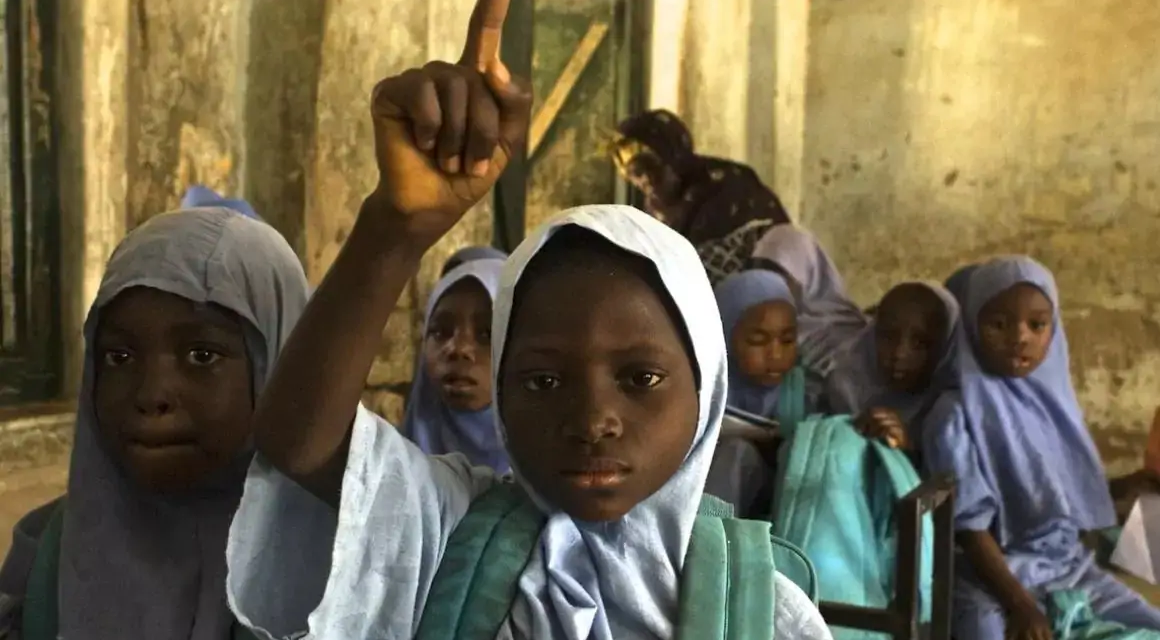
Oreh also called for collective efforts to address the challenge of out-of-school girls in Nigeria, stressing that the government alone could not resolve the problem.
She urged community leaders, non-governmental organisations and other stakeholders to support girls’ education through grassroots engagement, community volunteers and campus ambassadors.
A student participant, Chikwendu Afunnaya, Head Girl of Chrisland High School, Apo, Abuja, said the experiences shared by accomplished women had encouraged her to remain focused and persevere despite challenges.
Similarly, Eka Towumi of Nigerian Tulip International Colleges said aspiring entrepreneurs should develop clear business plans and take practical steps towards their goals rather than wait for perfect conditions.
Another participant, Achimugu Sharon Queen of Notre Dame Girls Academy, Kuje, Abuja, urged girls to turn their ideas into action and seek assistance when necessary. She said she hoped to become a lawyer and entrepreneur to defend girls’ rights and create opportunities for other young women.
Meanwhile, Susanna Oguaba, Programme Officer Intern at THAG, nutritionist and founder of the Diet 24/7 Initiative, encouraged young women to use available resources, including social media and artificial intelligence, to develop ideas and create value.
She called on government and private organisations to support women-focused initiatives through mentorship, funding and access to opportunities, noting that financial constraints often prevented young women from pursuing their ambitions.
Founder of Loom Craft Chocolate, Uzomaka Igweike, said formal education did not always equip young people with practical entrepreneurial skills and knowledge of how to leverage available resources.
She identified limited confidence, unequal access to opportunities and cultural barriers as challenges facing girls, particularly those from disadvantaged communities.
Igweike stressed that empowerment required more than motivation, calling for deliberate efforts to strengthen girls’ competence, character, confidence and practical skills.
She added that sustained grassroots engagement was necessary to change attitudes towards girls’ education and demonstrate its benefits to families and communities.
The discussions highlighted the need to translate empowerment advocacy into practical interventions, including skills development, mentorship, entrepreneurship support and improved access to education.
Speakers agreed that collaboration among government, businesses, civil society organisations and communities would be essential to helping young women overcome barriers, build sustainable livelihoods and contribute to Africa’s development.
UPDATE NEWS:
Nigerians can now invest ₦2.5 million on premium domains and profit about ₦17-₦25 million. All earnings paid in US Dollars. Rather than wonder,
click here to find out how it works.