
Lagos State has indicated that electricity capacity in the Lekki corridor could be built up to between 2,500MW and 3,000MW as development and economic activity expand across the area.
The indication came during a tour of key power facilities across Lagos led by the Chief Executive Officer of the Lagos State Electricity Regulatory Commission (LASERC), Mrs. Temitope George, with Nairametrics among those on the tour.
Engr. Adekunle Olopade, Executive Member, Engineering and Standards, LASERC, raised the figure while seeking clarity on a transmission project being developed by the FGN Power Company for the corridor.
Lagos targets 3,000MW Lekki capacity
Olopade asked whether the transmission line being developed for the Lekki corridor was designed around current capacity requirements or whether it could accommodate future capacity additions. He said Lagos was looking at reaching about 2,500MW in the corridor, possibly up to 3,000MW.
- Olopade said, “On our side in Lagos State, we are looking at reaching about 2,500MW in that corridor, possibly up to 3,000MW. Can the line accommodate that level of capacity?”
His question came as Engr. Umezurike Engr. Moses, Assistant General Manager, TCN Ajah Substation, explained the transmission projects being handled by the FGN Power Company.
Engr. Moses said the projects have multiple phases, with Epe as the immediate priority, and that Factory Acceptance Testing had been conducted, with materials expected to begin shipping soon.
The first phase includes a 132kV line, followed by a 330kV station at Epe and subsequent links connecting Epe to the Lekki Free Trade Zone and back to Lekki.
The planned expansion is intended to provide transmission infrastructure capable of supporting the corridor as electricity requirements increase.
Lekki power network faces capacity expansion
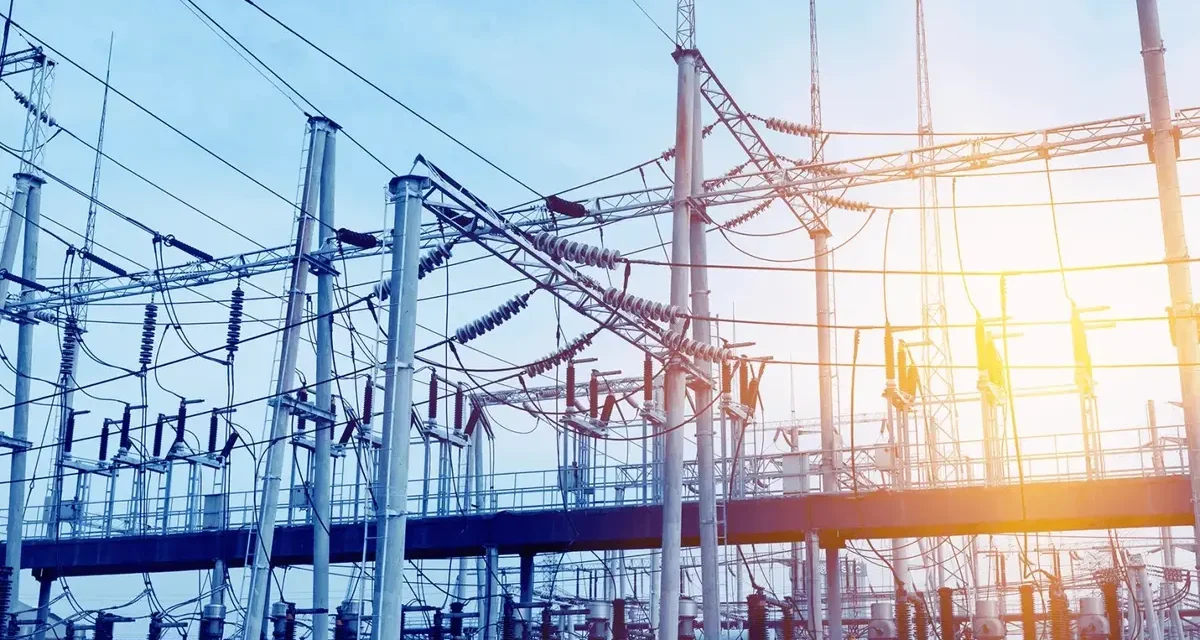
At the TCN Lekki 330kV/132kV/33kV Transmission Station, Engr. Nelson Eke, Senior Manager, said the station has 300MVA of transformer capacity and can take about 240MW of load from Eko Disco. However, the highest demand recorded so far is about 120MW to 130MW, leaving roughly 110MW of headroom.
- The station has four transformers, comprising two 75MVA units and two 60MVA units, while transmission-side availability averages between 98% and 99%.
- Lekki 2 feeder supplying Lekki Phase 1 and surrounding areas has been out of service for months because of an underground cable fault.
- Lekki 1 and Lekki 3 feeders are currently serving the area at about 20MW each.
- Restoring Lekki 2 feeder could increase Eko Disco’s take from the station to about 60MW from roughly 40MW currently.
At Alagbon Transmission Station, Engr. Odunsi Idiat, Principal Manager, NISO, said a NIPP project involving two 330kV lines from Akangba Transmission Station to Alagbon is planned, with soil testing already completed.
Engr. Moses said the Akangba-Alagbon project is a long-running project, while the immediate priority of the current FGN Power Company transmission expansion is the Epe axis.
State-led electricity market takes shape
Lagos’ push to build a more decentralised electricity market is beginning to translate into new private power projects, with several operators developing generation capacity and entering supply arrangements across the state.
The developments are taking shape under a new regulatory framework following the Electricity Act 2023 and Lagos Electricity Law 2024, which gave Lagos greater control over electricity regulation and led to the establishment of LASERC.
LASERC targets stronger market oversight
LASERC is stepping up efforts to reshape the state’s electricity market, with consumer protection, universal metering and tighter performance monitoring at the centre of its regulatory agenda. The commission is also focused on strengthening accountability among electricity providers and improving service delivery.
In an interview with Nairametrics, LASERC Chief Executive Officer Mrs. Temitope George discussed the Commission’s position on the 12-month limit on electricity charge recovery, billing and metering complaints, and efforts to hold electricity providers accountable.
George also discussed the balance between cost-reflective tariffs and consumer protection, progress since Lagos assumed regulatory oversight of its electricity market, and reforms expected over the next year.
She said LASERC plans to deploy artificial intelligence-enabled monitoring systems to strengthen oversight and reduce Aggregate Technical, Commercial and Collection (ATC&C) losses to below 10%, while expanding competition and participation in the Lagos electricity market.